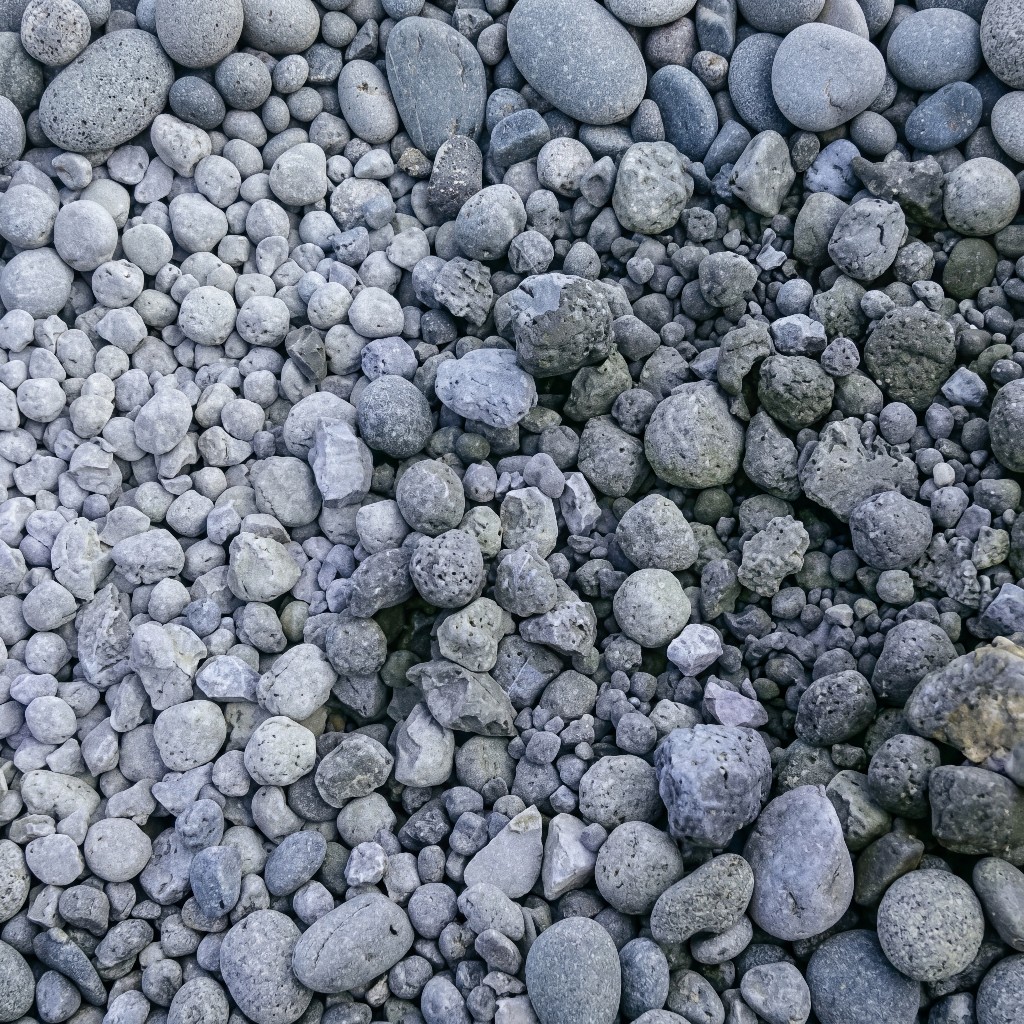
Portland cement clinker is the essential semi-finished product of cement manufacturing — dark grey, nodular pieces formed by sintering a precise blend of limestone, clay and iron ore in a rotary kiln at temperatures around 1,450 °C. The chemical reactions inside the kiln transform the raw meal into a series of mineralogically distinct crystalline phases that together define the performance of the final cement.
From Clinker to Cement
To produce Portland cement, clinker is ground with approximately 5% gypsum (CaSO₄·2H₂O) in a ball or vertical roller mill. The gypsum acts as a set-retarder, controlling the highly reactive C₃A phase to prevent flash-setting. The fineness of grinding — measured as Blaine surface area (typically 300–350 m²/kg) — directly influences the hydration rate and early strength development of the cement.
Why Clinker is Shipped Separately
Trading in clinker rather than finished cement has significant logistical and commercial advantages. Clinker is far less moisture-sensitive than ground cement, has a much longer shelf life (12+ months when stored properly), and is much easier to transport in bulk vessels. Cement grinding stations near the destination port can produce finished cement to local specifications, blending in regional gypsum, fly-ash or slag as required.
Hibernia General Clinker Profile
We source Portland clinker meeting ASTM C150 / EN 197-1 standards, with controlled Lime Saturation Factor (95–100) and free-lime content (≤2.5%) — markers of well-burnt, kiln-stable clinker. Each shipment is accompanied by a chemical analysis (XRF), Bogue calculation of mineral phases, and free-lime measurement.
C₃S — Alite (Tricalcium Silicate)
The most important phase, comprising 50–70% of clinker. Responsible for early-age strength development and initial set of cement concrete.
- Content 50 – 70%
- Hydration Rapid
- Strength Window 1 – 28 days
C₂S — Belite (Dicalcium Silicate)
Hydrates slowly, contributing primarily to long-term strength beyond 28 days. Higher C₂S content reduces heat of hydration — beneficial for mass pours.
- Content 10 – 25%
- Hydration Slow
- Strength Window 28+ days
C₃A — Tricalcium Aluminate
Most reactive phase — generates significant heat in first 24–48 hours. Lower C₃A content improves sulfate resistance (key for Type II and Type V cement).
- Content ≤ 10%
- Reactivity Very High
- Controls Sulfate Resistance
C₄AF — Tetracalcium Aluminoferrite
Contributes minimally to strength but gives Portland cement its characteristic grey colour. Enhances durability in some conditions.
- Content up to 15%
- Role Grey Colour
- Reactivity Moderate
| Parameter | Specification | Unit |
|---|---|---|
| CaO (Lime) | 63 – 67 | % |
| SiO₂ | 19 – 23 | % |
| Al₂O₃ | 4 – 7 | % |
| Fe₂O₃ | 2 – 4 | % |
| MgO | ≤ 5 | % |
| SO₃ | ≤ 3 | % |
| Free Lime (CaO free) | ≤ 2.5 | % |
| Loss on Ignition (LOI) | ≤ 1.5 | % |
| Lime Saturation Factor | 95 – 100 | — |
| Nodule Size | 3 – 25 | mm |
| Blaine Fineness (post-grind) | 300 – 350 | m²/kg |
| Standards | ASTM C150 · EN 197-1 | |
| Packaging / Delivery | Bulk vessel · Bulk truck · 1MT bags | |
Each shipment accompanied by XRF chemical analysis, Bogue phase calculation, free-lime measurement, and physical compressive strength results post-grinding.
Packaging Options
- Bulk vessel Standard
- 1 MT FIBC bags Available
- Bulk truck For coastal buyers
- Min. parcel 5,000 MT
Trade Terms
- FOB Source Port ✓
- CIF Destination ✓
- CFR Destination ✓
- L/C at sight Standard
- SBLC / DLC Acceptable
Documentation
- Certificate of Analysis XRF + Bogue
- Free-lime Result Provided
- Bill of Lading Original
- Certificate of Origin Provided
- SGS Inspection On request
Certificate of Analysis — Sample
Cement Clinker (Portland) · Batch: HG-CLINKER-2025-0156| Parameter | Result | Spec | Unit |
|---|---|---|---|
| C₃S (Alite) | 58.2 | 55 – 65 | % |
| C₂S (Belite) | 22.1 | 15 – 25 | % |
| C₃A | 7.8 | ≤ 8 | % |
| Free Lime (CaO) | 1.2 | ≤ 2.0 | % |
| LOI | 0.8 | ≤ 1.5 | % |
Illustrative sample. Request COA →